The Allure of Jewelry: A Timeless Expression of Beauty and Culture
Introduction
The concept of jewelry dates back many thousands of years — it has transcended time to become one of the most cherished forms of wearable art known to man. Jewelry has been part of the wear from the time immemorial, due to its variant design and style, designs which were used included varieties; From ancient civilizations to modern fashion trends. In this essay, we cover the history, cultural significance, types of jewelry available and modern trends providing that jewelry is a form of art which has proved to be timeless in its appeal.
Table of Content
The History of Jewelry
Ancient Beginnings
Jewelry has been worn for many years, with the first reported jewelry dating to around 100,000 years ago in Africa and specific artifacts such as shell beads found earlier in Asia? Gold, Lapis Lazuli and turquoise were used 5000 years ago by Ancient Egyptians (3000–500 BCE) to fashion amulets, pendants and rings, even then the art of jewelry making was emerged. Jewelry in ancient Egypt was typically worn to represent the religious beliefs about life, including hope for eternal life after death.
The trend of using precious metals and gemstones to produce beauty accessories created by the Sumerians (around 2500 BCE) and Babylonians in Mesopotamia, as well as bead-making and metalwork advancements by the Harappan civilization (ancient Indians). The Greeks and Romans advanced that process with the practice of gem engraving, many more metals to choose from in the crafting process but that also allowed for many diverse gem designs.

Medieval and Renaissance Jewelry
In the Middle Ages (5th–15th centuries), jewellery became a mark of social status and power. Religious works of art were ordered by the Church and finer gem-encrusted crowns flashed by nobility. The Renaissance (14th–17th centuries) brought a renewal in classical arts and the re-creation of detailed, artistic designs, which spread throughout Europe: pearl necklaces were fashionable as well as other pieces with engravings or portrait type cameos featuring content such as lovers, weddings, and religious scenes.
Modern Jewelry as a Consequence of the Industrial
Mass production in the 18th and 19th centuries made jewelry available to many more individuals. Sentimental pieces, such as lockets and mourning jewelry became popular in the Victorian era (1837–1901). Bold geometric lines and the use of bright colors came to define the Art Nouveau (1890–1910) and Art Deco (1920–1930) movements, which transformed jewelry design.
Jewelry, as we know today is a mix of the luxurious top tier brands to more affordable fashion pieces reflecting personal taste and cultural input.
Cultural Significance of Jewelry
Jewelry serves as more than just a decoration in most societies… it has deep cultural, spiritual and social significance:
——— Religious and Spiritual Symbolism: Jewelry is still used in rituals by many cultures. Christians wear crosses, Hindus wear temple jewelry and Buddhists use prayer beads.
– Status and Wealth: In human history, only the richest people could show off their expensive jewelry made from silver, gold or other kinds of precious metal. Luxury jewelry brands such as Cartier and Tiffany & Co. are still a sign of wealth today.
Love and Commitment: Engagement rings, wedding bands, family heirlooms all represent unbreakable ties.
– Protection & Providence: Amulets, Talismans, and Birthstones are said to protect against evil and bring good luck.

Types of Jewelry
There are so many forms of jewelry, from achieving different aesthetics and purposes.
1.Necklaces
Penance: A type of a chain with one decorative hanging piece.
Chokers: Tight-fitting neckbands.
Statement Necklaces — Almost always in larger, bolder designs.
2.Rings
Engagement & Wedding Rings — Symbols of love and a promise to marry.
Signet Rings: Originally employed as binding on a paper football Newspaper Cushions: Perfect for those press conference head-rest moments.
Cocktail Rings — big, blingy rings to nail on to better dates
3.Earrings
Studs: Small, simple designs.
– Hoops:Coins or rinds that are worn on the ears.
Dangly Earrings: Longer, hanging earrings.
4.Bracelets & Bangles
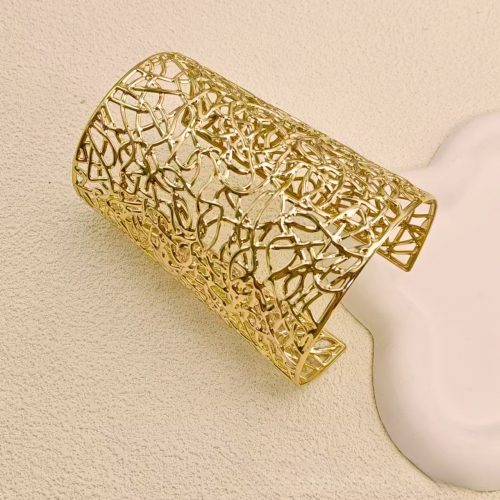
Cuff Bracelets: Wide band with an open-ended.
Charm Bracelets : Customized with mini charms
Bangles: Rigid, circular bracelets.
5.Brooches & Pins
Fashionable clasps that are wore in apparels, typically put on by gents during the cooler days of the year
6.Anklets & Toe Rings
Its very famous in Indian and Middle Eastern culture.
Materials Used in Jewelry
Precious Metals
Gold (Yellow, White, Rose) — Durable and luxurious.
Silver: Affordable and versatile.
Platinum: Rare and hypoallergenic.
Gemstones
Diamonds: Represent eternity, and power
Rubies, Sapphires, Emeralds – These are prized for their rarity and color.
Pearls: These Organic gems develop inside oysters.
Alternative Materials
Stainless Steel Jewelry, Titanium – Sleek heavy-duty materials.
– Wood, Resin jewelry, Acrylic jewelry: These are all perfect material for the artist and eco-friendly jewelry.
Contemporary Jewelry Trends
Sustainable & Ethical Jewelry
– Earth-Friendly: Lab-created diamonds, recycled metals to decrease environmental damage
Fair-trade gemstones make it possible to source ethical.
Personalized & Custom Jewelry
Name necklaces, Engraved bracelets & Birthstone Rings
Minimalist Designs
Floating chains, few ear ornaments and thin layers of bands.
Vintage & Retro Revival
The return of Art Deco and Victorian-era inspired pieces
Gender-Neutral Jewelry
Neutral designs, such as heavy chains and rings in geometric shapes.
Conclusion
Jewelry is not just a part of adornment; it is the image of human art, culture and sentiments. It is from ancient talismans to photo highly-priced, Fashion, which makes it classic in its charm. From a symbol of love, to place for status, or expression of style, jewelry is the lasting art form that people hold onto all around the globe.
Whatsapp :
Email :
You can contact our website at Beauty Jewels: Fashion Necklace
Leave your comment
Related posts